
At The Onco Clinic, the treatment of neuroendocrine tumors in India is based on precise diagnosis and advanced therapy for NETs. Individualized treatment with modern therapies is done by our doctors with the aim of controlling the disease, alleviating symptoms, and enhancing the overall survival rates.

Director & Surgical Oncologist
24 Years of Experience

Surgical Oncologist
16 Years of Experience

Medical Oncologist
10 Years of Experience

Surgical Oncologist
20 Years of Experience

Medical Oncologist
10 Years of Experience

Hemato Oncologist
15 Years of Experience
Neuroendocrine tumor patients are cared for in a comprehensive way at the Onco Clinic, where medical knowledge is complemented by state-of-the-art treatment technology. The core of our multidisciplinary team consists of medical oncologists, surgeons, nuclear medicine experts, and interventional radiologists who collaborate to suggest personalized treatment programs.
We employ evidence-based methods to deal with both slow-growing and aggressive NETs, and those methods might include surgery, medical treatment, chemotherapy, PRRT, and interventional radiology procedures. The type of tumor, hormone activity, and spread are all taken into account through a careful patient evaluation.
With structured diagnosis, clear treatment planning, and constant follow-up, The Onco Clinic is recognized as a top Neuroendocrine Tumor Clinic in India that provides safe, effective, and patient-centered NET treatment in India.
Neuroendocrine cancers (NETs) are not common tumors that originate from neuroendocrine cells, which are a mix of cells with characteristics that are shared by neuronal cells and hormonal-secreting ones. The areas for these tumors are numerous; however, they are found in the pancreas, digestive tract, the lungs, and the appendix are the main regions of distribution.
NETs are classified as slow or fast depending on the type and grade of the tumor. Some of them secrete hormones and thus cause symptoms like flushing, diarrhea, or changes in blood sugar levels, while the others can be silent for many years. The reason the diagnosis of NETs is late is that the window of time for such vague symptoms often occurs.In India, as far as the treatment of Neuroendocrine Tumors is concerned, the early and precise diagnosis plays a crucial role in the successful outcome of the treatment since it gives the doctors the option of choosing the most effective therapy, and controlling both tumor growth and hormone-related symptoms.
The classification of the type is very important for correct NET therapy in India.

The Onco Clinic offers a precise and customized cost planning service.
The symptoms may vary between individuals. Early evaluation by a doctor shall assist in commencing the treatment of Neuroendocrine Tumor India promptly, and hence improving the results.

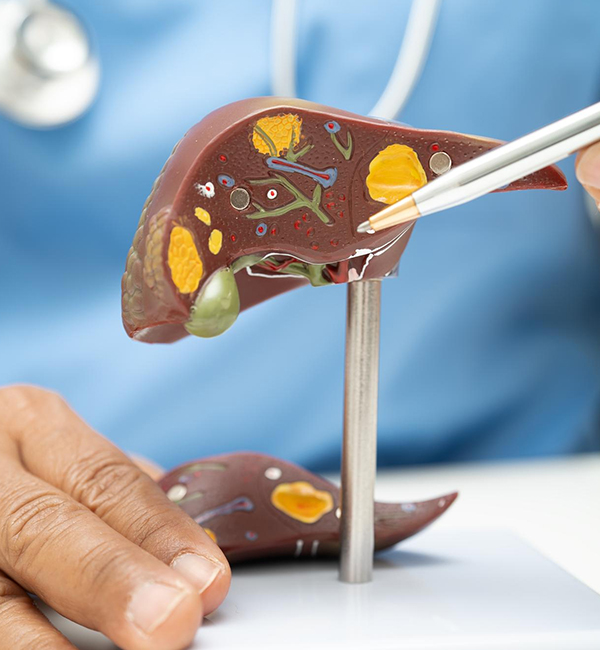
Genetic diseases such as MEN syndromes
A family history of neuroendocrine tumors
Long-term hormonal imbalances
Regular inflammation of the digestive organs
Cigarette smoking (especially for lung NETs)
Older age
In many patients, the causes are still unknown
Getting a grip on these factors guides physicians in devising effective NETs treatment strategies in India.
Surgery excises localized neuroendocrine tumors and is the first choice when the complete and safe removal of the tumor is possible.
Medical therapy aids in the management of hormone-related symptoms and the slowing down of tumor growth in functional neuroendocrine tumors.
Chemotherapy is utilized for aggressive or rapidly spreading NETs to manage the spread of the tumor and alleviate symptoms.
PRRT applies a targeted approach of radiation directly to the tumor cells and uses radioactive peptides, which, in turn, are effective in treating advanced NETs.
Non-invasive techniques are applied to the liver or localized tumors for the purpose of easing the patient's symptoms and reducing the tumor's size.
In certain cases, immunotherapy may be an option to enhance the immune response against the more challenging NETs.

The Onco Clinic at The Onco Clinic provides expert Neuroendocrine Tumor Treatment in India, assisted by highly qualified oncologists and state-of-the-art diagnostic techniques. The staff is aware of the complicated nature of NETs and gives individual care depending on the activity of the tumor, the activity of the hormones, and the condition of the patient.
We provide full NET management at one place, which includes surgery, PRRT, medical therapy, chemotherapy, and interventional radiology. Patients are informed clearly, they are involved in the decision-making process, and they receive continuous follow-up care. With its patient-first philosophy and modern therapy options, The Onco Clinic is the most trusted Neuroendocrine Tumor Clinic in India for safe and effective long-term care.